Missoula's Wood Burning Rules: What Homeowners Need to Know

Updated: 4 days ago
There is nothing like a crackling fire on a cold Montana night. But if you live in or around Missoula, you have probably heard someone mention the "woodstove ban" and wondered whether your fireplace is even legal to use. The short answer: Missoula does not ban every fire, but it does have some of the strictest wood burning rules in the country. Here is what they are, why they exist, and how to enjoy a fire without running afoul of them.
In This Guide
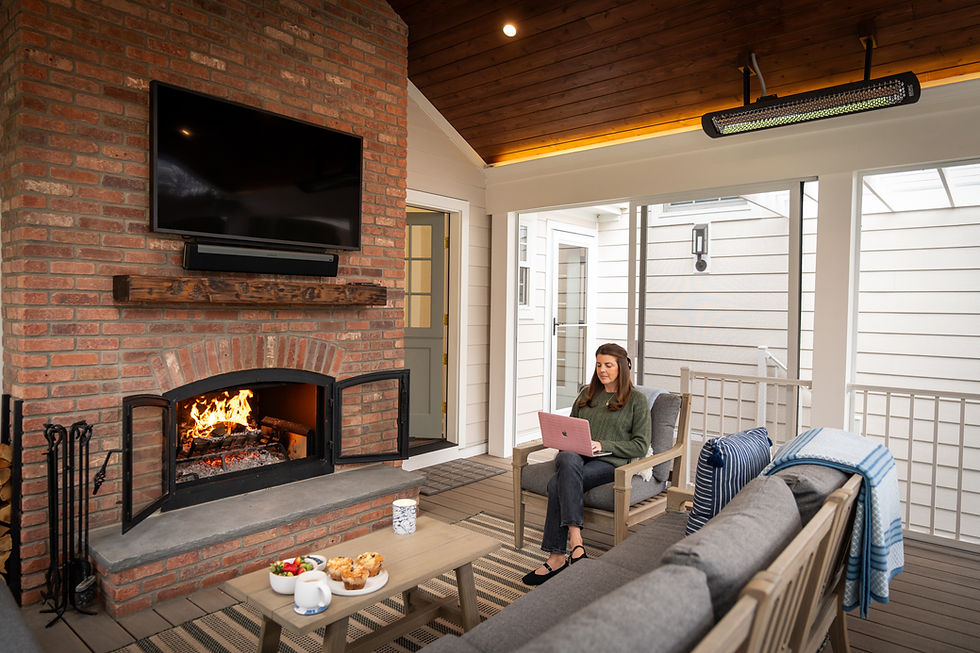
What Is the Missoula "Woodstove Ban"?
Most of the rules apply inside the Missoula Air Stagnation Zone, which covers the City of Missoula and reaches roughly four miles past city limits in every direction. A larger area called Impact Zone M is covered by some burning rules too. If you live in town or close to it, assume these rules apply to you. Missoula Public Health's woodstove page has a map of the zone if you want to check your address.
There are four main pieces to know:
No new wood stoves in the zone. Since 1994, new wood stove installations have not been allowed inside the Air Stagnation Zone. Only pellet stoves and gas appliances can be installed there. Outside the zone, only clean burning devices can be installed in most of Missoula County, and any new solid fuel burning device needs an installation permit.
Older stoves come out when a home sells. When a property inside the zone changes hands, older wood stoves have to be removed and a certificate of compliance filed with the Clerk & Recorder. Commercially made pellet stoves, masonry fireplaces built into the structure, and certain wood-fired forced air furnaces can stay.
No smoke during air alerts. When the health department calls a Stage I Air Alert or Stage II Air Warning, no visible smoke is allowed from any wood stove, fireplace, or other solid fuel burning device unless you hold a valid permit (for example, a Sole Source of Heat permit).
No recreational fires during alerts. Newer rule changes approved by Missoula County commissioners also restrict recreational fires during air alerts and warnings.
Why Missoula Has These Rules
It comes down to geography. Missoula sits in a bowl ringed by mountains, and in winter we often get temperature inversions: a layer of warm air settles over the valley and traps cold air, and everything in it, near the ground. As one local air quality specialist put it, when the air is stagnant, "any pollution we put into it stays in the valleys and builds up over time."
Wood smoke is the biggest problem. It is full of fine particulate matter, tiny particles that get deep into your lungs. Missoula Public Health calls wood stoves and fireplaces the primary source of winter air pollution throughout Missoula County.
The history shows why the community took it seriously:
1969: Missoula Public Health started its air pollution control program as particulate pollution climbed above federal limits.
Late 1970s: A health study found reduced lung capacity in local children.
1981: The Missoula Air Stagnation Zone was designated.
1983 to 1985: Only cleaner burning stoves could be installed, and burning was limited during alerts.
1989 to 1990: With the new rules in place, Missoula stopped exceeding federal particulate limits (1989) and carbon monoxide limits (1990), and has stayed under them since.
1994: New wood stove installations were banned in the zone.
The rules work. Those clear winter days are a big part of why Missoula is such a great place to live, and the regulations are a big part of why we have them.
How to Use Your Fireplace in Missoula (Legally)
If you already have a wood burning fireplace or a permitted stove, you can still enjoy it on most days. Follow these steps:
Check before you light. Call the Missoula Public Health Air Quality Program at 406-258-4755, sign up for their air quality updates, or check Montana DEQ's Today's Air map. Alerts usually come during calm, cold winter stretches when an inversion sets in.
Skip the fire during an alert. If a Stage I Alert or Stage II Warning is in effect, no visible smoke is allowed without a permit. That includes recreational fires. Most first-time violators get a warning, but fines have ranged from $50 to $500.
Burn dry, seasoned wood only. Wet or green wood smokes more and burns less heat. Never burn trash, cardboard, painted or treated wood, or plastics.
Burn hot, not smoldering. A small, hot fire with good airflow makes far less smoke than a big log choked down to last all night.
Keep it maintained. Have your chimney inspected and cleaned regularly. A clean flue drafts better, smokes less, and lowers fire risk.
Know your permit status. A small number of homes hold permits to burn during alerts, but these are rare, and the health department reported in 2016 that none had been issued since 1994. If wood is your only heat source, call the Air Quality Program before winter to ask about your options.
What about power outages? County officials have said that during a real emergency, enforcement is not their priority when people need heat to stay safe.
Cleaner Ways to Enjoy a Fire in Missoula

The good news is you do not have to give up the look and warmth of a fire. These options work within Missoula's rules:
Option | Can it be installed in the Air Stagnation Zone? | Why people like it |
Gas fireplace or insert | Yes | Instant flame at the flip of a switch, no smoke, no wood to haul |
Pellet stove | Yes | Real wood heat from compressed pellets, very low emissions |
Gas outdoor fire pit or fire table | Yes (gas appliance) | Patio ambiance with no smoke drifting to the neighbors |
New wood stove | No (permit required outside the zone) | Traditional wood heat for homes outside town |
A gas fireplace insert is one of the easiest upgrades. It can slide into an existing masonry fireplace, giving you a real flame on alert days and cutting out the work of hauling and stacking wood. Outdoors, a gas fire pit or fire table gives you the same gathering spot as a campfire without the smoke. Keep in mind that recreational fires of any kind may be restricted during air alerts, so check before lighting up outside too.

Want to compare every option side by side? Read our Montana Buyer's Guide to Fireplaces, Fire Pits and Fire Features.
Frequently Asked Questions
Is wood burning completely banned in Missoula? No. Existing, legal fireplaces and permitted devices can be used on most days. Burning is restricted during air alerts, and new wood stoves cannot be installed inside the Air Stagnation Zone.
Can I use my fireplace on Christmas Eve? Yes, as long as no Stage I Alert or Stage II Warning is in effect. Call 406-258-4755 or check Today's Air the day of.
I am buying a house with a wood stove. What happens? If the home is inside the Air Stagnation Zone, an older wood stove generally must be removed when the property sells, and a compliance certificate filed. Missoula Public Health's woodstove page has a map showing which properties have stoves that can stay. Check it, and ask your agent, early in the process.
Can I build a backyard fire pit? Wood fires are recreational burning and can be restricted during alerts. A gas fire pit or fire table is the easiest way to enjoy an outdoor fire with no smoke.
Ready to Upgrade Your Fireplace?
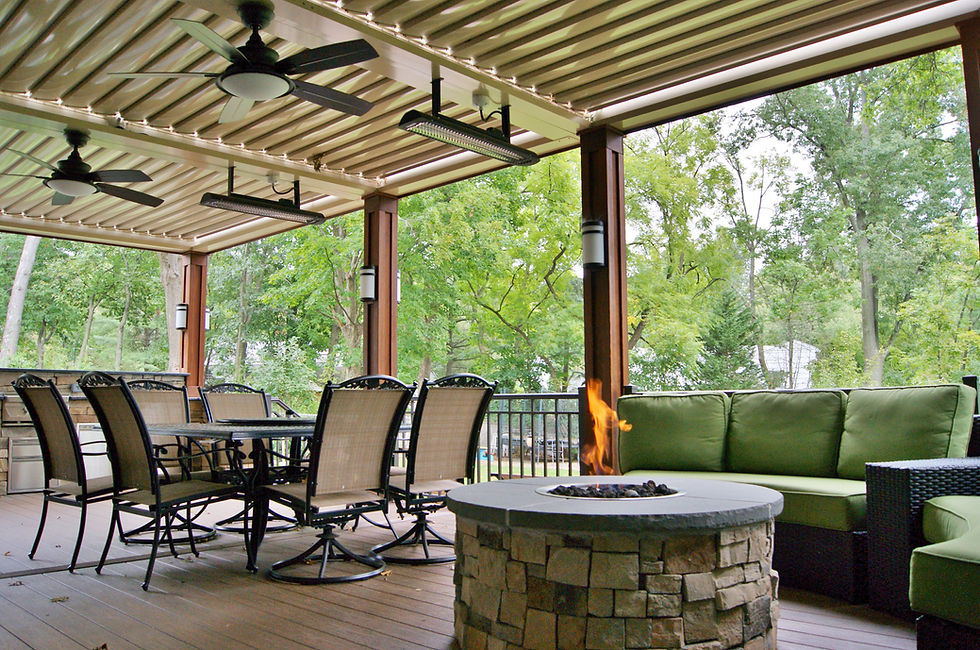
At Big Sky Outdoor Spaces, we install fireplaces and fire features ourselves, both indoors and out. Whether you want to convert an old wood fireplace to gas, add a cleaner heat source, or build a smoke-free fire pit for the patio, we can help you pick an option that fits Missoula's rules and your space.
Stop by our showroom at 2100 Stephens Ave, Missoula (Monday to Friday 10 to 6, weekends by appointment) or call 406-493-0570.
Rules can change. For the latest requirements, contact Missoula Public Health's air quality program before installing or removing any solid fuel burning device.
Sources
Stage 2 air pollution warning remains in effect, NBC Montana
Health department issues Stage I Air Pollution Alert, NBC Montana
Residents can face fines for burning wood stove during air alert, NBC Montana
Missoula Co. commissioners approve air quality rule changes, NBC Montana
Air Plan Approval: Missoula Air Rule Revisions, Federal Register

Comments